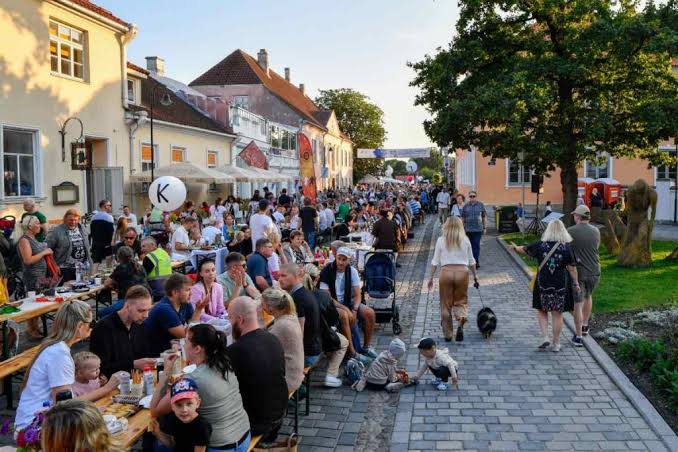


Visitors arriving in Estonia, Latvia, or Lithuania often notice that social life in the Baltic region has its own rhythm. The three countries share geography and parts of their history, but each has developed distinct cultural habits, languages, and traditions. For international visitors, these differences can make everyday interactions feel interesting and sometimes unfamiliar.
A More Reserved Social Style
One of the first things visitors may notice is that social interactions can appear more reserved than in some other parts of Europe. In Estonia, for example, quietness and personal space are commonly treated as normal parts of everyday communication. Silence does not necessarily indicate discomfort or a lack of interest.
This can take some adjustment for visitors who are accustomed to frequent small talk with strangers. A shorter conversation may simply reflect a preference for being direct rather than unfriendly. Once visitors understand this difference, everyday interactions can become easier to interpret.
Personal Space Matters
Personal space is another feature that international visitors may notice. In Baltic cities, people generally do not need to stand very close to strangers during conversations or while waiting in public places. Physical contact with people who are not well known can also be limited.
For visitors, the easiest approach is to observe the situation and follow the local atmosphere. Giving people sufficient space and avoiding unnecessary physical contact is usually a simple way to make social interactions comfortable.
Direct Communication
Communication styles can also feel different. Estonian social guidance, for example, commonly describes communication as relatively direct and thoughtful. Visitors may receive straightforward answers instead of extended explanations or conversational introductions.
This does not mean that people are unfriendly. Instead, it can reflect a preference for clear communication. Visitors who avoid interpreting every short response emotionally are more likely to understand the interaction accurately.
Traditions Still Matter
Modern Baltic cities are increasingly digital and international, but traditional culture remains visible. Estonia’s cultural identity includes music, sauna, nature, food, and innovation, while local and regional traditions continue to influence everyday life.
Latvia and Lithuania also have strong cultural traditions, including music, festivals, food, and regional customs. This creates an interesting combination of modern urban life and long-established traditions.
Understanding the Differences
Perhaps the most important thing international visitors notice is that the Baltic countries should not be treated as identical. Estonia, Latvia, and Lithuania have different languages, histories, and cultural identities. Even tourism research shows differences in how people from neighboring Baltic countries perceive and visit one another.
For visitors interested in social experiences, learning a little about each country before arriving can make interactions more meaningful. Simple things such as learning a local greeting, respecting personal space, listening carefully, and being open to different communication styles can make a noticeable difference.
Baltic social culture is not defined by one single behavior. It is a mixture of local traditions, modern lifestyles, regional differences, and individual personalities. For international visitors, taking the time to observe these differences can make their experience of the region much more rewarding.